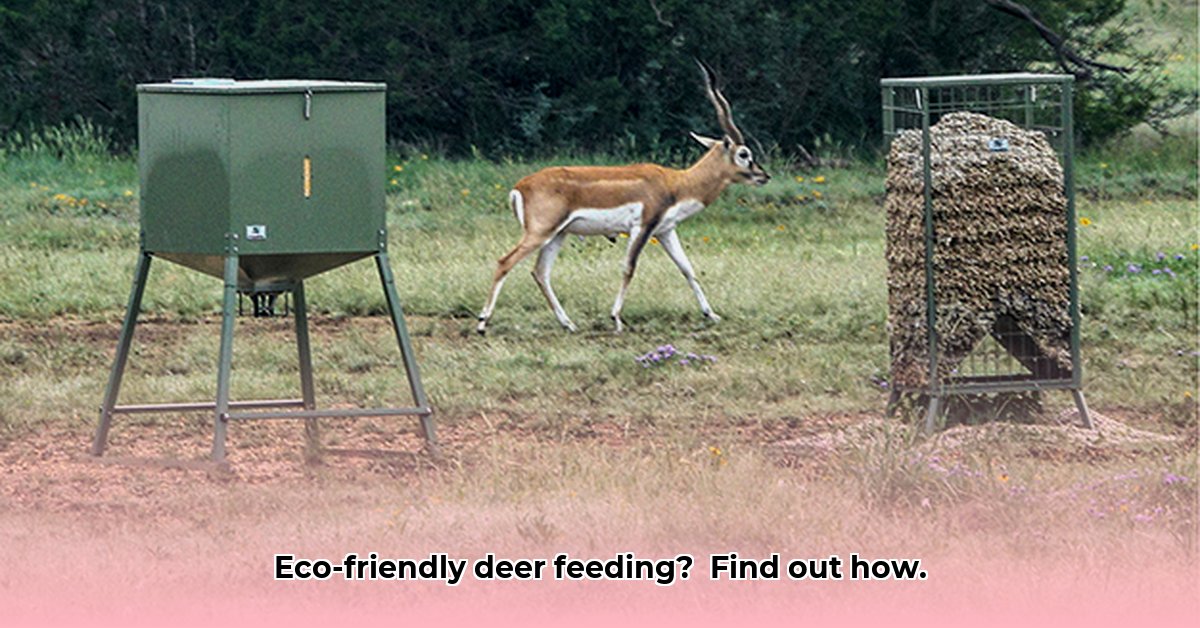
Want to support your local deer population but concerned about the environmental impact? Deer feeders can be a valuable tool, but responsible use is crucial. This guide will walk you through selecting, placing, and maintaining a deer feeder from Tractor Supply, minimizing negative consequences, and maximizing positive effects on both deer and the environment. For more information on deer feeders from Tractor Supply, check out this helpful resource: Tractor Supply Feeders.
Selecting the Right Deer Feeder: A Careful Choice
Choosing a deer feeder is like choosing any other tool: the right one makes all the difference. Tractor Supply offers a variety of options, from simple gravity feeders to more complex models. Consider these factors:
Deer Population Density: A small feeder suffices for a few deer, but a larger herd necessitates a more substantial feeder. Overcrowding can lead to competition and stress. Consider the size of the deer population on your land.
Budget: Prices vary significantly. Balance cost with durability and features. A robust feeder requires less frequent replacement, saving money in the long run.
Features: Adjustable flow rates, weather protection, and ease of cleaning are all beneficial features to consider. Look for durable materials like heavy-duty plastic or coated metal to withstand the elements.
Ease of Use: Think about how easy the feeder is to fill, clean, and maintain. Accessibility is key for regular upkeep.
Consult Tractor Supply's online catalog or in-store staff for expert advice on selecting the appropriate feeder for your needs and local deer population. Why is choosing a durable feeder crucial for long-term cost-effectiveness and minimizing waste?
Strategic Placement: Minimizing Habitat Disruption
Feeder placement is paramount. The objective is to supplement, not replace, natural foraging while minimizing environmental harm.
Mimic Natural Feeding Areas: Position feeders in areas that resemble deer's natural foraging grounds—slightly secluded spots within their existing range.
Avoid Water Sources: Keep feeders away from water bodies to minimize water contamination and reduce overgrazing.
Provide Cover: Deer prefer feeding areas offering some cover for security. Place feeders near trees or shrubs to provide protection from predators.
Ensure Your Accessibility: Ensure you can easily access the feeder for filling and maintenance, but make it challenging for unwanted animals to access.
Consider Wind Direction: Placing the feeder upwind may help to mask the scent from predators. How can strategic placement of a feeder contribute to a healthier deer population and a less-disturbed ecosystem?
Proper placement reduces negative environmental impact and encourages efficient feeding.
Feed Selection: A Balanced Diet for Healthy Deer and a Healthy Ecosystem
The type of feed significantly impacts the environmental sustainability.
Avoid Corn-Only Diets: Corn-only diets can cause nutritional imbalances, creating dependence on supplemental feeding and disrupting natural foraging behavior.
Prioritize Protein: Supplement natural food sources with protein-rich feeds available at Tractor Supply to support deer health and vitality. Look for blends formulated specifically for deer.
Consider Seasonal Variations: Deer's nutritional needs change seasonally. Adjust feed accordingly to provide the necessary nutrients throughout the year. What are the long-term consequences of solely relying on corn as a deer feed?
Supplemental feeding should enhance, not replace, natural foraging; strive for a balanced approach.
Monitoring and Maintenance: An Ongoing Commitment
Regular monitoring and maintenance are vital for the health of the deer and the environment.
Regular Feed Level Checks: Maintain a consistent supply, ensuring feed isn’t completely depleted, but also preventing excessive waste that can attract unwanted animals.
Observe Deer Behavior: Monitor deer interactions with the feeder and the surrounding area, looking for signs of stress or over-reliance. Note any changes in behavior or the presence of other animals.
Clean the Feeder Regularly: Regularly clean the feeder to prevent disease transmission. How often should you clean your deer feeder to minimize disease transmission and maintain a healthy environment?
Adapt Your Strategy: Adapt your feeding strategy based on observations, adjusting feed type, quantity, or placement as needed.
Adaptive management is crucial for responsible deer feeding.
Understanding the Ecological Impacts: Weighing the Pros and Cons
Deer feeders, while seemingly beneficial, can have both positive and negative ecological effects.
Potential Benefits:
- Improved Herd Health: Supplemental feeding can ensure deer receive essential nutrients, particularly during harsh weather conditions.
- Reduced Food Waste: Feeders minimize food waste compared to scattering feed, reducing the risks of attracting unwanted animal populations.
- Easier Monitoring: Feeders allow easier observation of feeding patterns and deer behavior, facilitating timely adjustments to feeding strategies.
Potential Drawbacks:
- Habitat Degradation: High deer concentrations from feeders can lead to overgrazing and habitat damage in localized areas.
- Disease Transmission: Overcrowding increases the risk of disease transmission among deer.
- Dependence on Supplemental Feeding: Deer might become reliant, neglecting natural food sources.
- Attracting Unwanted Wildlife: Feeders can attract predators or other animals that compete with deer or pose a risk to them.
Responsible feeding requires careful monitoring and a balanced approach.
Sustainability Best Practices: A Path Towards Responsible Deer Feeding
These practices minimize the negative impacts and maximize the benefits of deer feeding, fostering a healthy ecosystem for both deer and the wider environment.
- Sustainable Feeder Materials: Opt for feeders made from recycled or sustainable materials whenever possible.
- Diverse Feed Sources: Avoid a single feed type. Use a diverse, balanced mix of high-quality deer feed.
- Regular Monitoring and Adaptation: Constantly monitor and adapt your feeding strategy based on your observations.
- Consider Population Density: Match feeder size and feed amount to the local deer population.
- Integrate with Land Management: Combine deer feeding with other land management practices to promote ecological balance.
Responsible wildlife management aims for a thriving ecosystem. By thoughtfully using deer feeders, you can contribute to a healthier deer population and a balanced environment.
Resources and Further Reading
- [Your Link to Relevant Research Here]
- [Your Link to a Wildlife Management Organization Here]